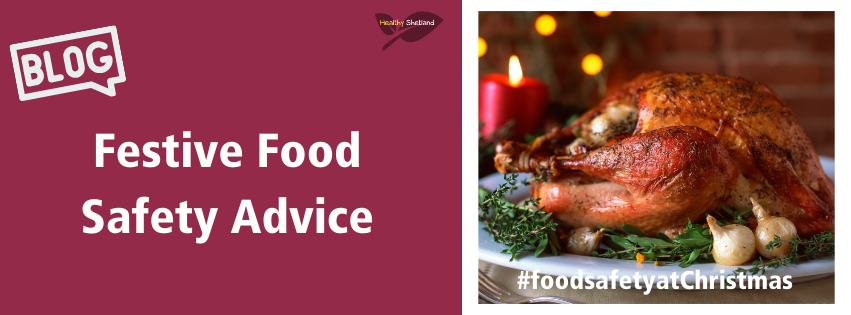
Advice from NHS Shetland’s Health Protection Team
Food poisoning is one festive gift none of us want to give or receive. With busy kitchens, packed fridges and lots of shared meals over the Christmas and New Year period, it’s easy for food safety to slip down the priority list. However, food can carry harmful bacteria or viruses without us realising and common kitchen habits can significantly increase the risk of gastrointestinal illness.
NHS Shetland Health Protection Nurse, Chloe Umphray, explains:
“Campylobacter remains one of the most common causes of food poisoning and is most often linked to raw poultry such as chicken and turkey. While washing fruit and vegetables is important, washing raw poultry is not recommended. This can splash bacteria onto sinks, worktops and utensils, increasing the risk of illness. Another simple but effective tip is to store raw poultry on the bottom shelf of the fridge so that any juices wont drip onto other foods.”
For those enjoying a traditional Christmas turkey or other poultry roast, thorough defrosting and cooking are essential. Food Standards Scotland provides a clear and practical Turkey Cooking Guide, which can be applied to any poultry.
If you are planning to make the most of festive leftovers, it is a great way to save costs, but it is important to do this safely. Chloe adds:
“Leftovers can be enjoyed, but only if they’re stored and reheated properly. Most foods can be enjoyed safely again if they are cooled quickly, stored in the fridge, eaten within two days, and reheated only once. Keeping food for longer or reheating repeatedly increases the risk of harmful bacteria growing.”
Further guidance on festive food safety, including a handy checklist can be found on the Food Standards Scotland website: Christmas food safety | Food Standards Scotland
Most cases of food poisoning are mild however some bacteria and viruses can cause more serious illness, particularly for people who are more vulnerable. Pregnant women, older adults, and those with weakened immune systems or underlying health conditions should take extra care. Foods that carry a higher risk include:
- chilled cured meats and fish
- raw or lightly cooked shellfish
- cold pre-cooked meats
- Pâté
- soft cheeses
Safer alternatives should be considered where possible, especially if storage conditions can’t be guaranteed. More information on foodborne illness and higher-risk foods is available at Food Standards Scotland.
If you or a family member develop symptoms of food poisoning, such as vomiting or diarrhoea, these usually settle within a few days. It is important to:
- stay well hydrated,
- eat small amounts of bland food
- avoid returning to work or school until at least 48 hours after symptoms have stopped.
- Wash hands regularly especially after using the toilet
If symptoms are severe, persistent, or you are caring for someone in a higher-risk group, advice should be sought from a GP or NHS24. NHS Inform provides clear guidance on when and how to seek help.
A little extra care in the kitchen can help ensure that your Christmas celebrations are remembered for the right reasons — good food, good company and good health.
From everyone at the Shetland Health Protection Team, we wish you a happy, healthy and safe festive season!