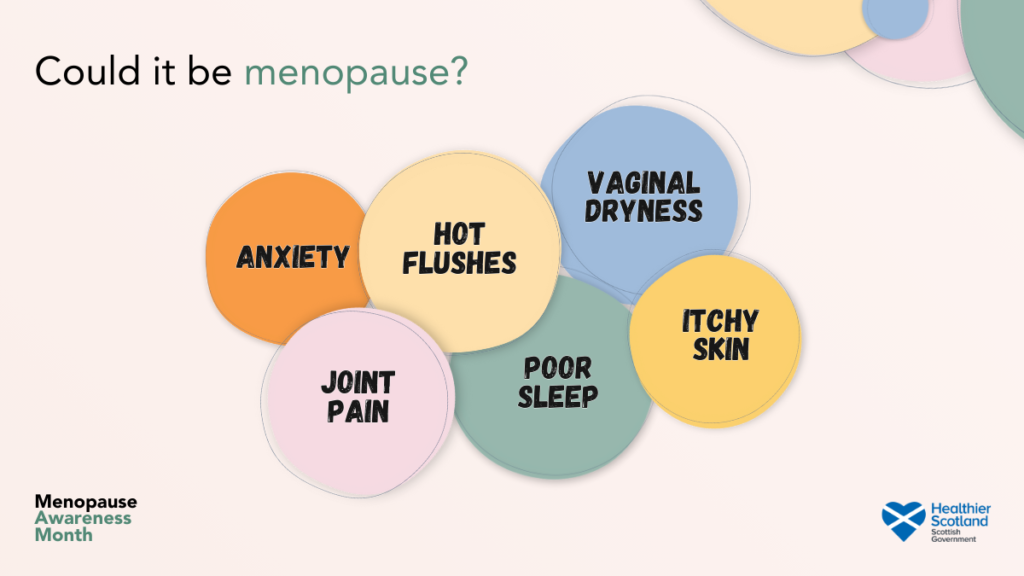
October is Menopause Awareness Month, with World Menopause Day on 18 October 2026
This month provides an important opportunity to raise awareness, share information, and encourage open conversations about menopause. It’s a chance to shine a light on the symptoms people may experience and the impact menopause can have on everyday life.
Although menopause affects around half the population, it is still often surrounded by stigma and misunderstanding. Many women report feeling embarrassed, isolated, or unsupported when experiencing menopausal symptoms.
By talking openly about menopause, we can help reduce this stigma and ensure people feel confident seeking advice and support when they need it.
Friends, family members, colleagues, and employers all have a role to play in creating supportive environments where menopause can be discussed without judgement.
What is Menopause?
Menopause is a natural stage of life that marks the end of a woman’s reproductive years. It occurs when periods stop due to declining hormone levels, particularly oestrogen.
For most women, menopause occurs between the ages of 45 and 55, although it can happen earlier or later. The experience is different for everyone, with some people experiencing only mild symptoms while others find the transition more challenging.
Menopause can also occur because of certain medical treatments or surgeries, eg cancer treatment involving ovaries may sometimes trigger menopause.
It is also important to recognise that menopause is not experienced exclusively by women. Some transgender men and non-binary people may also go through menopause and require support and understanding.
Understanding the Three Stages of Menopause

Perimenopause
Perimenopause is the stage leading up to menopause and is often when symptoms first begin to appear. This phase can start several years before a woman’s final period.
During perimenopause, hormone levels fluctuate, causing changes in the menstrual cycle. Periods may become irregular, lighter, heavier, more frequent, or less frequent before eventually stopping altogether.
Many women experience symptoms during this stage, including hot flushes, mood changes, sleep problems, and changes in concentration.
For a helpful explanation of perimenopause and what to expect, watch this video: Perimenopause explained: symptoms, signs and what to expect
Menopause
Menopause refers to the point at which a woman has not had a menstrual period for 12 consecutive months. The term literally means “the last menstrual period” and marks the end of fertility.
Postmenopause
Postmenopause is the stage following menopause. Once a woman has gone 12 months without a period, she is considered postmenopausal. Although some symptoms may ease over time, others can continue for several years.
Common Symptoms
Menopause affects every woman differently. Symptoms may vary in nature, severity, and duration, and can occur from perimenopause through to postmenopause.
Common symptoms include:

- Hot flushes and night sweats
- Sleep disturbances
- Mood changes, anxiety, or low mood
- Brain fog and difficulty concentrating
- Fatigue
- Joint and muscle aches
- Headaches
- Changes in menstrual patterns
- Vaginal dryness and discomfort
To find out more about symptoms and how to manage them, check out this video:
Looking After Your Wellbeing
There are many positive steps people can take to support their health and wellbeing during menopause:
Stay Active
Regular physical activity can improve mood, energy levels, sleep quality, and overall health.
Eat Well
A balanced, nutritious diet can help manage menopausal symptoms in the short term, as well as supporting health and wellbeing through perimenopause, menopause, and in the years to come.
Prioritise Rest
Getting plenty of rest, including regular sleep routines, can help manage many common symptoms.
Manage Stress
Relaxation techniques such as mindfulness, yoga, or deep breathing exercises can be beneficial.
Avoid Smoking and Limit Alcohol
Both can contribute to poorer health outcomes and may worsen symptoms.
Stay Connected
Talking to other people going through the same thing and keeping connected to friends, family and colleagues can make a significant difference.
When to Seek Help
You do not have to struggle with menopausal symptoms alone.
If symptoms are affecting your quality of life, mental wellbeing, relationships, or ability to carry out everyday activities, speak to your GP or healthcare professional. Support, advice, and effective treatment options are available, including Hormone Replacement Therapy (HRT) and non-hormonal treatments tailored to individual needs. More information about menopause can be found at Menopause | Symptoms, treatment and support | NHS inform
Break the Silence
Menopause is a normal and natural part of life, yet many people still feel uncomfortable talking about it. By improving awareness, encouraging understanding, and creating opportunities for open conversations, we can help ensure that everyone experiencing menopause feels informed, supported, and empowered.
This Menopause Awareness Month, take the opportunity to learn more, listen to experiences, and help create a culture where talking about menopause is as normal as talking about any other aspect of health and wellbeing.
Together, we can make menopause a conversation, not a taboo.